“washing treatment method” search results (700)

Introduction to the treatment of coffee beans there are several ways to treat coffee beans. What should be used for different coffee?
Honey treatment is used in almost all the producing areas of Costa Rica. This method is also widely spread throughout Central America. Because the surface mucosa of coffee beans is extremely sticky and smooth and the sugar content is extremely high, it is often called honey. In the process of honey treatment, coffee will leave some or all of the honey when it is dried. After the coffee fruit is picked, graded and peeled, it is dried.
2016-07-20 Coffee beans treatment methods introduction several different coffee should adopt which
The treatment of coffee beans explain in detail what is coffee washing method
There are three ways to treat coffee beans: drying, washing, and semi-washing coffee began in the mid-18th century. In the washing process, the pulp of the coffee fruit (red cherry) is first removed, then the residual mucous membrane on the inner pericarp is removed by a fermentation tank, and the beans are washed and dried. The difference between the non-washing method and the water washing method is that the non-washing method removes the fruit after drying.
2014-10-13 Coffee knowledge coffee bean treatment coffee washing method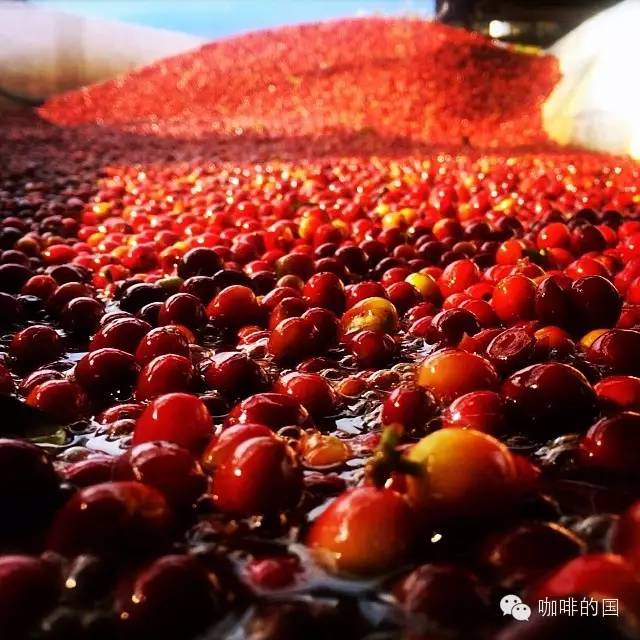
What is the semi-washing of coffee beans & the dry part of half-sun coffee beans full-sun wet washing
Sun drying: the sun drying method is also called natural drying because it uses natural sunlight to dry the fruits and raw beans of coffee. Due to the use of artificial and natural treatment methods in the process, the sun-cured beans look irregular and unflattering in appearance. Washing coffee bean treatment method Coffee beans harvested must immediately enter the treatment program, otherwise they will begin to ferment and make coffee
2016-04-25 What coffee beans water washing amp sun dry place French wet treatment shampoo day
Coffee sun treatment which kinds of coffee beans are suitable for sun treatment
A brief introduction to the treatment of raw coffee beans solarization is a traditional method of primary processing of coffee beans. at present, almost all coffee beans are treated by solarization in ancient coffee-growing countries such as Ethiopia and Yemen. Sun treatment will first identify sunken beans in the sink, that is, ripe or half-ripe beans are spread in the drying farm for natural drying. The specific time depends on the local climatic conditions
2016-07-22 Coffee sun treatment which coffee beans type suitable use method coffee
What are the treatment methods for raw coffee beans? coffee bean washing method
Semi-washing (Semiwashed Method): this is a combination of sun and water washing, first removing the pulp and peel in the same way as the washing method, then drying the coffee beans that are still attached to the mucous membrane completely, and then wetting the dried coffee beans, knocking off the residual mucosa with a machine, and then drying and storing them. Because at the same time
2016-06-06 Coffee raw beans which treatment method coffee beans washing half water Se
Two methods for the treatment of high-quality coffee beans
After harvest, the fruit must immediately enter the treatment process, otherwise it will begin to ferment, making coffee beans have a bad smell. There are two methods of treatment: solarization and water washing, which will cause different flavors. Sun-dried beans have a complete natural mellow flavor, gentle aroma and more gum; the washing law has a good mellow taste, a high aroma and a certain sour taste. The mellow taste is strong
2015-04-21 Boutique coffee beans two kinds treatment method harvest after fruit must immediately
Introduction to the treatment of water-washed honey of coffee beans with fruit pulp in the sun
There are two methods for selecting defective coffee beans: manual selection and mechanical selection. Manual selection is an assembly line, in which several workers sit on a transmission belt about 1 meter wide to pick out defective beans, and some strict farms will manually select them many times until no defective beans are seen. The rule of mechanical selection is to identify by computer, and to remove defective beans and grade them is to divide coffee beans into different categories according to the standard.
2016-10-19 Coffee beans with fruit solarization washing treatment introduction
What is the treatment of coffee beans? Sun drying of coffee beans
What is the treatment of coffee beans? Just harvested coffee cherry fruit treatment methods can be divided into two kinds: one is drying, the other is washing. Drying method: the picked coffee cherry fruit is dried in the sun, and then the shell is removed. This method is low in cost and inferior in quality to water washing. Only some poorer countries use this method. Washing method: it is just picked.
2015-11-05 Coffee beans treatment method what is it dried method coffee bean what is it?
Introduction to the treatment of Coffee Soybean Honey introduction of three major treatment methods of coffee beans
We know that the three treatment methods of raw coffee beans can be divided into three types. The distinction between each method is based on the fact that several layers of matter are removed from the fruit before the coffee is dried. The following is a list of the three major processing methods: 1. Natural sun treatment: retain all substances 2. Honey treatment: remove the peel and pulp and retain part or all of the mucous membrane (honey) 3. Washing method
2016-07-18 Coffee beans treatment introduction three methods coffee raw beans
Treatment of half-sun or half-water washing (semi-washed) for coffee taste Honey treatment
Generally speaking, if the pulp layer is removed effectively and properly, the coffee seeds will be clean, and the beans will taste clear when roasted, but can not be removed quickly, and some coffee berries may be left on the beans. If handled well, this will bring a hint of fruit to the baked coffee, but if it can not be disposed of in time, the pulp will be overfermented or even fermented.
2016-07-14 Coffee taste solarization washing semi-washed treatment method
Introduction to the treatment of raw beans-- what is the washing method? How to deal with raw coffee beans
Water washing-increase fruit acid spirit: water washing is the most popular treatment method at present, and water washing is used in almost all Central and South America except Brazil. The color of the washed beans is blue and green, the appearance of the beans is neat and the pulse is good, and the coffee quality is the highest. Generally speaking, the sour flavor and bright feeling of washed beans are better, and the flavor is clean and free of miscellaneous flavor, which is the most commonly used method for the treatment of fine coffee.
2016-03-30 Raw beans treatment method introduction washing what how coffee
Steps of washing and processing of raw coffee beans
The coffee beans after harvest must enter the treatment program immediately, otherwise they will begin to ferment, making the coffee beans have a bad smell. There are two kinds of treatment methods: "sun method" and "water washing method". The beans of the water washing method are as clean as clear wind chimes, because of less miscellaneous smell.
2014-09-01 Coffee knowledge coffee raw bean treatment washing processing washing steps
Processing method of high-quality coffee beans coffee refining method
There are a pair of oval seeds in the center of the fruit of the coffee tree, which are covered with exocarp, endocarp and pulp. Ripe fruit will rot in a short period of time without treatment, so the purpose of refining is to enable coffee beans to be preserved for a long time, easy to store and circulate. Figure (1) Coffee fruit Coffee fresh fruit should be dealt with immediately after being harvested. Refining is to remove the peel and pulp of coffee fruit
2015-04-11 Boutique coffee beans treatment method coffee making method
Coffee refined method Coffee Raw Soybean Honey treatment Coffee novice is suitable for QQ
1.3 semi-washing, also known as honey treatment, is a compromise between drying and washing, eliminating the need for water-washing to ferment coffee fruits. Harvesting tank (removal of impurities and impurities) pulp removal machine (removal of pulp and impurities) washing pool (selection of light and hard beans) sun field (or dryer) shelling machine (removal of endocarp)
2016-06-06 Coffee preparation raw beans processing novice suitable
Introduction to the treatment of raw coffee beans-semi-washing method
It is a relatively new and rare method. This method is also suitable for processing local coffee only in specific areas of some countries where there is a long drying period in the climate. The coffee produced by this method is sticky, and the mucus is not removed with fermentation in the tank. Therefore, the coffee produced by this semi-wet treatment contains moisture treatment.
2014-07-22 Coffee raw beans coffee bean treatment semi-washing method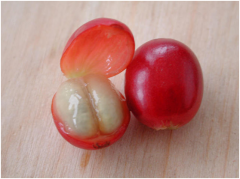
Processing method of high-quality coffee beans coffee refining method
There are a pair of oval seeds in the center of the fruit of the coffee tree, which are covered with exocarp, endocarp and pulp. Ripe fruit will rot in a short period of time without treatment, so the purpose of refining is to enable coffee beans to be preserved for a long time, easy to store and circulate. Figure (1) Coffee fruit Coffee fresh fruit should be dealt with immediately after being harvested. Refining is to remove the peel and pulp of coffee fruit
2015-01-23 Boutique coffee beans treatment method coffee fruit center pair
Coffee and bean honey treatment method introduction of high-quality coffee bean treatment method
Silver Skin/Chaff: there is a thinner film inside the parchment that wraps the coffee beans. Because the color is glossy and silvery, people used to call it silver skin. This layer of silver will fall off during baking. Usually when you grind the coffee, you find some silver crumbs in the coffee powder. These crumbs are the silver skins that fail to peel off the coffee beans during baking. 5. Coffee
2016-07-05 Coffee beans processing introduction boutique method silver skin Silver S
Two methods for the treatment of coffee beans
After harvest, the fruit must immediately enter the treatment process, otherwise it will begin to ferment, making coffee beans have a bad smell. There are two methods of treatment: solarization and water washing, which will cause different flavors. Sun-dried beans have a complete natural mellow flavor, gentle aroma and more gum; the washing law has a good mellow taste, a high aroma and a certain sour taste. The mellow taste is strong
2014-11-08 Coffee knowledge coffee common sense coffee bean processing
Introduction to the treatment of raw coffee beans-semi-washing method
It is a relatively new and rare method. This method is also suitable for processing local coffee only in specific areas of some countries where there is a long drying period in the climate. The coffee produced by this method is sticky, and the mucus is not removed with fermentation in the tank. Therefore, the coffee produced by this semi-wet treatment contains moisture treatment.
2015-11-04 Coffee raw beans treatment method introduction semi-water washing one comparison new and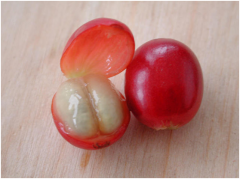
Processing methods of high-quality coffee beans
There are a pair of oval seeds in the center of the fruit of the coffee tree, which are covered with exocarp, endocarp and pulp. Ripe fruit will rot in a short period of time without treatment, so the purpose of refining is to enable coffee beans to be preserved for a long time, easy to store and circulate. Figure (1) Coffee fruit Coffee fresh fruit should be dealt with immediately after being harvested. Refining is to remove the peel and pulp of coffee fruit
2015-10-24 Boutique coffee beans treatment methods